Reviewing Winter Christmas Clipart Watercolor for Embroidery
As a designer who has spent years translating digital art into thread, I approach every new asset with a mix of curiosity and skepticism. We have all been there: you find a beautiful graphic online, imagine it stitched onto a cozy sweatshirt, purchase the file, and then realize the translation from screen to fabric is not as seamless as hoped. That is why I took a close look at Winter Christmas Clipart Watercolor. This isn’t just about whether the image looks pretty on a monitor; it is about how it holds up under the needle, how it behaves on textured fabrics, and whether it adds genuine value to a handmade product.
The First Impression: Mood and Visual Personality
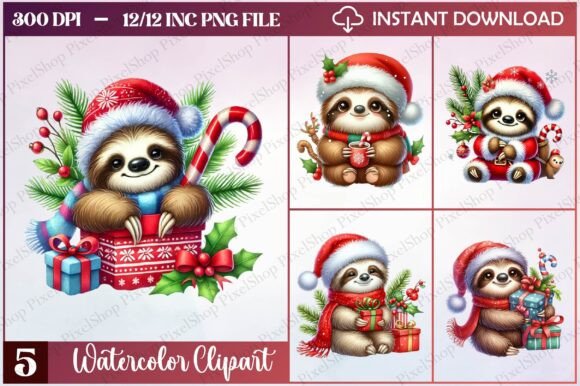
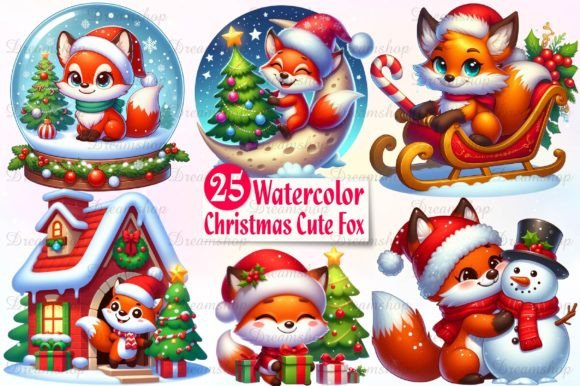
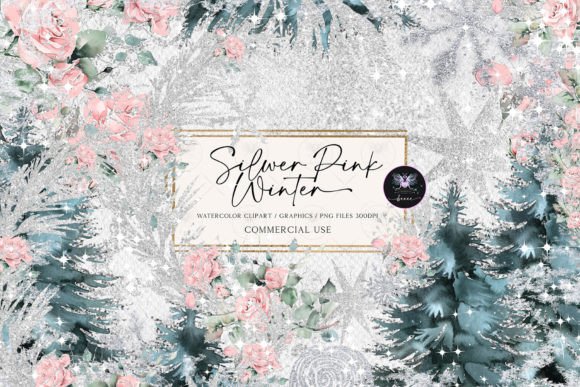
The immediate appeal of Winter Christmas Clipart Watercolor lies in its softness. In a market saturated with sharp, vector-based holiday graphics that can sometimes feel rigid or cold, this watercolor style brings a sense of warmth and nostalgia. The bleeding edges and organic color transitions mimic the look of hand-painted illustrations, which creates an instant emotional connection. For embroidery designers, this presents both an opportunity and a challenge. The lack of hard lines means we cannot rely solely on standard satin stitches to define every edge. Instead, the design invites a more nuanced approach to stitch selection, encouraging the use of fill stitches and varied thread weights to capture that fluid, artistic feel.
When I first opened the file, I looked for clarity in the shapes. Watercolor designs can often become muddy if the contrast is too low. Fortunately, this set maintains distinct silhouettes despite the soft internal shading. This is crucial for embroidery because even if the digital file looks dreamy, the machine needs clear boundaries to follow. The visual personality here is gentle and inviting, making it an ideal candidate for products where comfort and sentiment are the primary selling points.
Real-World Application: From Digital File to Finished Product
To truly evaluate Winter Christmas Clipart Watercolor, I mentally placed it into several common production scenarios. Imagine preparing a custom embroidered tote bag for a holiday market. Tote bags are typically made of canvas or heavy cotton, which have a visible weave. A harsh, high-contrast design might look out of place, but the soft gradients of this watercolor style blend beautifully with the natural texture of the fabric. The design feels intentional, like a piece of art rather than just a logo slapped on a bag.
Consider also the trend of personalized baby items. Parents are increasingly drawn to muted, aesthetic designs for nursery decor and baby clothes. Using this clipart for a baby blanket or a onesie offers a sophisticated alternative to bright, primary-colored holiday motifs. The watercolor effect translates well here, provided the stitch density is managed correctly. If the design is too dense, it can make the fabric stiff and uncomfortable against sensitive skin. By adjusting the underlay and using lighter fill settings, the design can remain soft and pliable, enhancing the perceived quality of the handmade product.
For apparel decorators working on sweatshirts, this design offers a fresh take on holiday embroidery. Sweatshirt fleece is thick and plush, which can swallow up fine details. However, the broader strokes typical of watercolor illustrations work in our favor here. The design does not rely on microscopic precision, meaning it remains legible and impactful even on textured garments. It creates a boutique feel that elevates a standard garment into a premium gift item.
Navigating Technical Challenges and Fabric Constraints
While the aesthetic is strong, practical application requires careful consideration of technical limitations. One area where Winter Christmas Clipart Watercolor requires caution is in small hoop sizes. Watercolor effects often rely on subtle color blending. When scaled down for a small patch or a cap front, these blends can lose their definition. The threads may merge visually, turning distinct shades into a single muddy block of color. I recommend testing the design at its intended size on scrap fabric before committing to a final product. If the details disappear, consider simplifying the color palette or increasing the contrast between adjacent thread colors.
Fabric choice plays a pivotal role in the success of this design. On dark fabrics, the translucent nature of watercolor can be tricky. Unlike solid vector shapes, watercolor designs often have semi-transparent areas. If the digital file does not account for this with proper underlay or background stitching, the dark fabric will show through, altering the intended colors. Always check how the design looks on both light and dark backgrounds. You may need to add a white or light-colored underlay stitch to ensure the thread colors pop as intended.
Stretchy fabrics present another hurdle. If you are applying this design to a fitted t-shirt or a knit cap, the stability of the stitch-out is paramount. Watercolor designs with large fill areas can pull and distort stretchy materials if the stabilizer is not robust enough. Using a cut-away stabilizer is often safer than tear-away for these types of fills, ensuring the design remains flat and does not pucker after washing.
Enhancing Brand Value and Customer Trust
For Etsy sellers and small shop owners, the choice of design assets directly impacts brand perception. Using Winter Christmas Clipart Watercolor signals a certain level of taste and attention to detail. It moves away from the generic, mass-produced look and towards a curated, artisanal aesthetic. This can significantly boost customer trust and engagement. Buyers are often willing to pay more for items that feel unique and thoughtfully designed. The soft, artistic vibe of this clipart aligns well with brands that focus on sustainability, slow fashion, or heartfelt gifting.
Moreover, the versatility of this design allows for consistent branding across different product lines. Whether it is used on kitchen towels, pillow covers, or aprons, the cohesive visual style helps build a recognizable brand identity. When customers see that same gentle, watercolor aesthetic across multiple items, it reinforces the professionalism and coherence of your craft business.
Practical Notes for the Embroidery Designer
Before you load this design into your machine, take a moment to review the technical specifications. Since exact stitch counts and file formats can vary depending on the source, always verify compatibility with your specific embroidery machine. Check if the design is available in the formats you need, such as PES, DST, or JEF. If you are planning to sell finished items, confirm the licensing terms. Most commercial embroidery projects require a commercial license, so ensure you have the right to use the design for profit.
- Test on Scrap Fabric: Always run a test stitch-out on the same type of fabric you plan to use for the final product. This reveals issues with tension, density, and color blending.
- Check Thread Contrast: Watercolor designs rely on subtle shifts in hue. Ensure your thread colors have enough distinction to create the desired effect without looking messy.
- Review Stitch Density: High density can lead to puckering and thread breaks. Adjust the density settings if your machine allows, or choose a lighter weight thread for large fill areas.
- Use Proper Stabilizer: Match your stabilizer to the fabric. Cut-away for knits, tear-away for wovens, and consider topping for fluffy fabrics like towels.
- Inspect Small Details: Zoom in on the design to identify any tiny elements that might not stitch out cleanly. Remove or simplify these if necessary.
In conclusion, Winter Christmas Clipart Watercolor is a compelling asset for designers who value mood and texture over rigid precision. It shines in applications where softness and emotion are key, such as baby items, home decor, and boutique apparel. By paying attention to fabric choice, stabilizer selection, and stitch density, you can transform this digital illustration into a stunning physical product. It is a reminder that in embroidery, as in painting, the beauty often lies in the subtle blends and the human touch behind the machine.