Reviewing Cute Christmas Arctic Animals Clipart for Embroidery
As a designer who has spent countless hours digitizing and stitching out holiday motifs, I approach every new Cute Christmas Arctic Animals Clipart collection with a mix of excitement and skepticism. We have all seen those adorable digital illustrations that look perfect on a screen but turn into a tangled mess of thread breaks and puckering once they hit the fabric. When evaluating these assets for real-world application, my primary concern is not just how cute they are, but how they translate into a tangible machine embroidery design that holds up under the needle.
First Impressions and Visual Personality
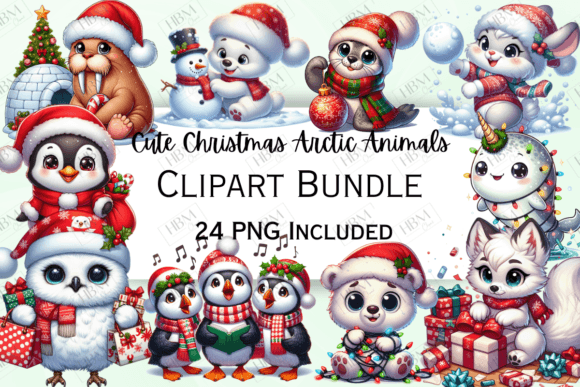
The immediate appeal of this Illustrations set lies in its whimsical charm. The arctic theme—featuring penguins, polar bears, and perhaps a seal or two—paired with Christmas elements like scarves, hats, and snowflakes, creates a cozy, festive mood. For an embroidery project, the shape and layout are critical. I look for clean lines and distinct separation between elements. If the clipart relies too heavily on subtle gradients or extremely fine details, it will fail in embroidery. However, if the design uses bold shapes and clear contours, it has high potential.
The visual personality here feels soft and inviting, which is ideal for the target market. It does not scream for attention with aggressive colors but rather invites a closer look. This subtlety is crucial for holiday embroidery intended for home decor or baby items, where a harsh or overly complex design can feel out of place. The key is determining whether the original clipart’s simplicity is preserved when converted into stitch paths.
Real-World Application: From Screen to Stitch
To truly test the viability of Cute Christmas Arctic Animals Clipart, I imagine applying it to a specific product. Let’s consider a custom embroidered tote bag. Tote bags are typically made from canvas or heavy cotton, which provides a stable base for stitching. In this scenario, the arctic animals would serve as the central focal point. A penguin wearing a red knit cap could be rendered using a combination of satin stitch for the smooth areas of the hat and fill stitch for the body to give it texture and dimension.
Another strong candidate for this design is a children’s sweatshirt. Sweatshirt embroidery requires careful handling of stitch density. If the design is too dense, the fleece backing can become stiff and uncomfortable against the skin. By using the clipart as a reference for a simplified embroidery file, we can reduce the number of stitches while maintaining the recognizable shape of the animal. This ensures the finished product remains soft and wearable, increasing its value as a personalized gift.
For Etsy sellers and small shop product creators, versatility is key. This clipart could easily be adapted into an embroidered patch. Patches allow for higher stitch density and more intricate detailing because they are stabilized independently before being applied to the garment. This makes them perfect for showcasing the finer details of the arctic animals’ faces or accessories without worrying about fabric distortion.
Navigating Technical Challenges
While the aesthetic is charming, there are technical pitfalls to avoid. One major concern with any clipart-to-embroidery conversion is the treatment of small details. Tiny eyes, noses, or intricate snowflake patterns can easily get lost or cause thread breaks if not properly scaled. When working with Cute Christmas Arctic Animals Clipart, I advise checking the minimum stitch length and ensuring that no element is smaller than what your machine can reliably produce.
Fabric choice also plays a significant role. On textured fabrics like terry cloth or waffle knit, fine details may disappear. In such cases, simplifying the design to its core shapes is necessary. For stretchy fabrics like jersey knits used in custom apparel, proper stabilization is non-negotiable. A cut-away stabilizer is often recommended to prevent the design from distorting after washing. Additionally, when stitching on dark fabrics, consider using a lighter underlay or adjusting the thread colors to ensure the design pops without requiring excessive coverage.
Curved surfaces, such as caps or hats, present another challenge. The arctic animals must be positioned carefully to avoid distortion around the seam. A running stitch outline can help secure the fabric before the main stitching begins, ensuring the design stays centered and crisp. Always test the design on a scrap piece of the same fabric to gauge how the hoop size and tension affect the final outcome.
Enhancing Brand Value and Customer Trust
For craft business owners, the quality of the embroidery directly impacts brand perception. A well-executed design using Cute Christmas Arctic Animals Clipart can elevate a simple item into a premium handmade product. Customers associate clean, precise stitching with professionalism and care. This builds trust and encourages repeat business.
Moreover, the thematic consistency of the arctic animals fits perfectly with current trends in nursery decor and winter-themed gifts. By offering these designs on items like baby embroidery onesies, pillow covers, or kitchen towels, sellers can tap into the emotional appeal of the holiday season. The cuteness factor drives impulse buys, but the quality ensures satisfaction and positive reviews.
Using these design assets effectively also involves marketing. High-quality printable mockup images that show the design in situ can significantly boost engagement on social media and online marketplaces. Showing the design on a cozy sweater or a festive tote bag helps customers visualize the finished product in their own lives.
Practical Notes for Designers
Before committing to a large production run or listing a new item, take the time to refine the digital file. Here are some essential steps:
- Test on Scrap Fabric: Always stitch out a sample on the actual material you plan to use. This reveals issues with tension, density, and color contrast.
- Check Thread Contrast: Ensure the thread colors stand out against the fabric. Sometimes, a slight adjustment in shade can make the design much more visible and appealing.
- Review Stitch Density: Too many stitches can cause puckering; too few can look sparse. Find the balance that suits the fabric weight.
- Confirm Hoop Size: Make sure the design fits comfortably within your hoop, leaving enough margin for stability.
- Inspect Small Details: Zoom in on the digitized file to check for tiny jumps or unnecessary trims that could weaken the structure.
- Test in Black and White: Viewing the design in monochrome helps identify shape clarity and contrast issues that color might mask.
- Verify Licensing: If you are using Cute Christmas Arctic Animals Clipart as a basis for a commercial embroidery product, confirm that you have the right to sell the finished items. Some clipart licenses are for personal use only.
In conclusion, Cute Christmas Arctic Animals Clipart offers a delightful foundation for holiday-themed embroidery projects. Its success, however, depends on thoughtful digitization and careful execution. By considering fabric types, stitch techniques, and end-use scenarios, designers can transform these simple illustrations into cherished personalized gifts and successful small shop products. Whether you are an experienced Etsy seller or a hobbyist looking to create unique holiday gifts, paying attention to these practical details will ensure your embroidery stands out for all the right reasons.