Review: Christmas Buffalo Plaid Bow Digital Design
As a designer who spends more time staring at stitch simulations than actual fabric, I have learned that not every festive graphic translates well to thread. When I first pulled up the Christmas Buffalo Plaid Bow Digital file on my screen, my initial reaction was one of cautious optimism. The holiday market is saturated with red and green motifs, but the rustic charm of buffalo plaid offers a timeless alternative to traditional glittery aesthetics. This review breaks down how this specific design performs in real-world embroidery scenarios, moving beyond the pretty preview image to the practical realities of stitching, fabric choice, and commercial viability.
First Impressions and Visual Personality
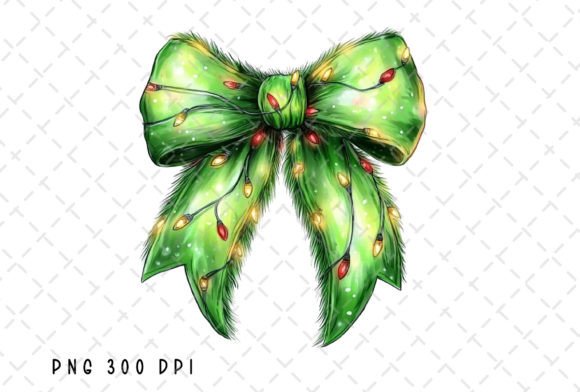
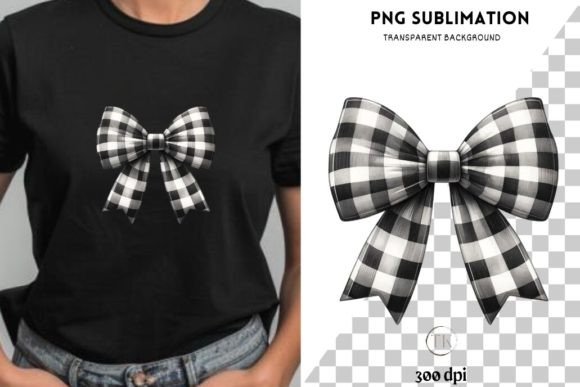
The immediate appeal of the Christmas Buffalo Plaid Bow Digital lies in its balanced composition. It avoids the clutter often found in holiday graphics, opting instead for a clean, recognizable silhouette. The bow shape is classic, providing a familiar anchor, while the plaid pattern introduces texture without overwhelming the eye. From a design perspective, this is crucial. In embroidery, too much detail can lead to thread breaks and muddy visuals, especially at smaller sizes. This design seems to understand the limitations of the medium, using bold blocks of color to suggest the plaid pattern rather than attempting impossible micro-details.
The mood it creates is cozy and inviting, leaning heavily into the modern farmhouse aesthetic that remains popular among handmade buyers. It feels less like a corporate holiday card and more like a warm sweater by the fire. For those of us creating Illustrations or digital assets for print-on-demand, this versatility is key. However, for the embroidery specialist, the question is always: how does this vector-like clarity hold up when converted into physical stitches?
Real-World Application: The Tote Bag Test
To truly evaluate a machine embroidery design, you have to imagine it on a product. I visualized this bow on a natural canvas tote bag, a staple for any Etsy seller or craft fair vendor. The contrast between the crisp black and red of the buffalo plaid against the neutral beige of canvas is striking. In this context, the design acts as a focal point without needing excessive embellishment.
If I were producing this for a small shop product line, I would likely place it slightly off-center on the front panel. The symmetry of the bow allows for flexible placement, but the weight of the design demands a stable background. On a tote, the sturdy fabric supports the stitch density well. Customers looking for a personalized gift often appreciate designs that look intentional and professional. A sloppy or distorted bow can ruin the perceived value of the item, but the structured nature of this plaid pattern helps mask minor tension issues, making it forgiving for intermediate-level embroiderers.
Apparel and Custom Wearables
Moving from accessories to apparel, the Christmas Buffalo Plaid Bow Digital shines on heavier fabrics. Imagine this stitched onto the left chest of a charcoal grey sweatshirt. The dark background enhances the vibrancy of the red threads, while the white or light-colored strands in the plaid pop effectively. This is ideal for sweatshirt embroidery where comfort and style intersect. However, caution is required when applying this to thinner materials. A standard t-shirt might pucker under the weight of the fill stitches required to create the solid areas of the bow.
For custom apparel businesses, this design could also work beautifully on denim jackets or flannel shirts, reinforcing the rustic theme. The key here is stabilizer selection. Because the design likely utilizes a combination of satin stitch borders and fill stitch interiors, using a cut-away stabilizer is non-negotiable for stretchy fabrics to prevent distortion after washing.
Technical Considerations for Stitching Success
While the visual appeal is strong, the technical execution requires attention. The primary challenge with any plaid-inspired embroidery file is the intersection of lines. In digital art, lines cross cleanly. In embroidery, threads layer on top of each other. If the stitch density is too high in the center of the bow where the knot ties, you risk creating a stiff, cardboard-like patch that feels unpleasant to the touch. I recommend running a test stitch-out on scrap fabric identical to your final project material. This allows you to check if the threads are cutting into each other or if the design pulls the fabric excessively.
Another critical factor is thread color contrast. Buffalo plaid relies on the sharp distinction between colors. Using low-quality threads that bleed or fade can blur these lines, turning a crisp pattern into a muddy mess. Invest in high-sheen polyester or rayon threads to maintain the definition of the plaid. Additionally, inspect the small details. If the design includes tiny tails or intricate loops, ensure your machine’s needle size is appropriate. A universal 75/11 needle is usually safe, but for dense areas, a sharper needle might penetrate cleaner.
Fabric and Hoop Constraints
Not every surface is suitable for this design. Curved surfaces, such as caps, present a unique challenge. The flat nature of the bow design may distort when stitched onto the curved panel of a baseball cap. If you attempt this, use a cap frame and heavy-duty stabilizer. Similarly, avoid using this on highly textured fabrics like thick wool or looped towels unless you are using an applique technique. The applique design method could be a smart workaround if the native file supports it, allowing you to use actual plaid fabric for the bow and just stitch the outline, reducing bulk and stitch count.
Regarding hoop size, ensure you have enough margin around the design. Crowding the edges of the hoop can lead to uneven tension. Always measure the design dimensions against your available hoops before purchasing or committing to a project. If the design is large, a 5x7 or 6x10 hoop might be necessary, whereas a smaller version could fit in a 4x4.
Commercial Viability and Brand Consistency
For commercial embroidery professionals and digital product sellers, the Christmas Buffalo Plaid Bow Digital offers significant potential. It fits seamlessly into a broader holiday collection that appeals to buyers seeking modern, non-traditional decor. Whether used for holiday embroidery on kitchen towels, pillow covers, or as part of a bundled design assets package, it maintains a consistent brand voice.
When creating printable mockup images for your online store, this design photographs well. The geometric nature of the plaid creates interesting shadows and highlights in product photos, enhancing the perceived quality of the finished product. However, always verify the licensing terms. Just because a file is labeled for commercial use does not mean you can resell the digital file itself. Most licenses allow you to sell the physical handmade product, such as an embroidered patch or a decorated onesie, but restrict the redistribution of the digital embroidery file.
Final Verdict for Makers
The Christmas Buffalo Plaid Bow Digital is a robust addition to any holiday design library. It balances aesthetic trendiness with technical practicality. It is not merely a decorative element; it is a functional design that, when executed with proper stabilizers and thread choices, elevates the perceived value of any item it adorns. For the craft business owner, it represents a safe yet stylish bet for the season. For the hobbyist, it offers a satisfying project that yields professional-looking results. Just remember to test, stabilize, and respect the fabric you are working with, and this bow will tie your holiday collection together perfectly.