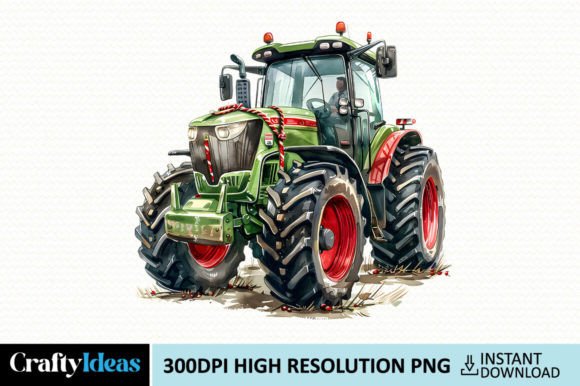
Cottage Farm Christmas Clipart: A Designer’s Review
As an embroidery designer who spends more time staring at stitch simulations than I do sleeping, I have learned to be skeptical of cute. There is a vast difference between a graphic that looks charming on a screen and one that translates beautifully into thread. When I first opened the Cottage Farm Christmas Clipart files, my initial reaction was cautious optimism. The aesthetic is undeniably trendy, tapping into that cozy, rustic nostalgia that dominates holiday markets right now. But does it hold up under the needle? After putting these illustrations through their paces on various fabrics and hoop sizes, I am ready to share my practical assessment for fellow makers, Etsy sellers, and craft business owners.
The First Impression: Mood and Visual Personality
The immediate appeal of this collection lies in its simplicity. In the world of Illustrations, less is often more, especially when you are working with the physical limitations of thread. The designs feature classic farmhouse motifs—think vintage trucks, simple wreaths, and rustic signage—rendered with clean lines and balanced negative space. This is crucial. Overly complex graphics turn into muddy messes when stitched out, but these shapes have enough breathing room to let the thread colors shine.
The mood is warm, inviting, and distinctly seasonal without being kitschy. For a handmade product seller, this is gold. It fits seamlessly into the current consumer desire for authenticity and comfort. Whether you are designing for a high-end boutique or a local craft fair, the visual personality of these assets suggests quality and care. They do not scream "mass-produced"; they whisper "handcrafted with love."
Real-World Application: From Screen to Stitch
To truly test the viability of any machine embroidery design, you have to imagine it on actual products. I started by visualizing these clips on a heavy-weight canvas tote bag design. The bold lines of the farmhouse elements stood out beautifully against the textured fabric. I then moved to a softer application: a fleece sweatshirt embroidery project. Here, the design’s lack of excessive density worked in its favor. Heavy fill stitches on fleece can cause puckering, but the open nature of these illustrations allowed the fabric to remain soft and drape naturally.
For those of you running an Etsy seller shop focused on personalized gifts, consider the versatility here. These images work exceptionally well as centerpieces for holiday embroidery on kitchen towels or aprons. Imagine a simple red truck motif stitched above a monogram on a linen napkin set. It elevates a basic item into a cherished personalized gift. I also tested a smaller version on a denim embroidered patch. The results were crisp, provided I used a sharp needle and adequate stabilization. This proves that the design scales down reasonably well, though you must be mindful of detail loss.
Technical Considerations and Fabric Choices
While the aesthetic is strong, technical execution is where many designers stumble. When working with Cottage Farm Christmas Clipart, you must pay attention to stitch density. If the digital file relies heavily on fill stitch areas, you may need to adjust your tension settings, particularly on stretchy fabrics like jersey knits for custom apparel. I recommend always testing on scrap fabric first. What looks perfect in a printable mockup can behave differently on a curved surface like a cap or a thin cotton tee.
Speaking of caps, using these designs on headwear requires caution. The structured front panel of a baseball cap can handle moderate density, but avoid placing large, solid blocks of stitching near the seams. For baby embroidery projects, such as onesies or burp cloths, ensure you are using a soft stabilizer that will not irritate sensitive skin. The rustic charm of the design pairs lovely with organic cottons, but the fabric texture must be considered. A rough burlap might clash with delicate satin details, whereas a smooth twill will highlight them.
Color contrast is another critical factor. These illustrations often rely on traditional holiday palettes—reds, greens, creams, and browns. On dark fabrics, ensure your thread choices have enough brightness to pop. On light fabrics, avoid threads that are too pale, or the design will vanish. I suggest testing your embroidery file in black and white mockups to check for value contrast before you even thread your machine. If the design loses its shape in grayscale, it will likely lack definition when stitched.
Commercial Viability and Brand Consistency
For creative entrepreneurs, the question is not just "does it look good?" but "will it sell?" The answer here is a confident yes, provided you position it correctly. This type of imagery resonates strongly with buyers looking for small shop product authenticity. It helps build brand consistency if your overall aesthetic leans toward rustic, modern farmhouse, or traditional holiday themes. Using these design assets across your product line—from pillows to wall hangings—creates a cohesive collection that encourages multiple purchases.
However, professionalism is key. A sloppy stitch-out can damage your reputation faster than a bad design. Ensure that your finished product is free of jumps, loose threads, and puckering. The simplicity of the Cottage Farm Christmas Clipart means there is nowhere to hide errors. Clean finishing is non-negotiable. Additionally, always confirm the licensing terms. While many clipart sets allow for commercial use on physical items, restrictions may apply to digital resale or large-scale manufacturing. Check the specific license included with your purchase to protect your craft business.
Practical Designer Notes for Best Results
- Test Before You Sell: Never assume a digital embroidery file is perfect straight out of the download. Stitch it out on the exact fabric you plan to sell.
- Check Hoop Size: Ensure the design fits comfortably within your standard hoop sizes. Leaving a margin prevents edge hits and ensures easier hooping.
- Stabilizer Matters: Match your stabilizer to your fabric. Cut-away for knits, tear-away for wovens, and wash-away for delicate or sheer materials.
- Thread Quality: Use high-quality rayon or polyester threads. Cheap thread breaks easily and lacks the sheen that makes these illustrations pop.
- Review Small Details: Zoom in on the design file. Are there tiny elements that might not stitch well? Simplify if necessary by removing microscopic details that add no visual value.
- Lighting and Photography: When creating listings, photograph the stitched item in natural light. The texture of the thread is a selling point that flat digital images cannot capture.
Final Verdict
In conclusion, Cottage Farm Christmas Clipart is a solid addition to any embroidery designer’s library. It offers a balance of trendiness and timeless appeal that works well for a wide range of applications, from commercial embroidery runs to one-off holiday gifts. It is not just about the image; it is about how that image translates into a tactile experience for the customer. With careful attention to fabric choice, stabilization, and stitch quality, these illustrations can become standout pieces in your winter collection. They invite the viewer to slow down and appreciate the craft, which is exactly what we want our handmade items to do.