Christmas Junk Journal Paper: Festive Illustrations
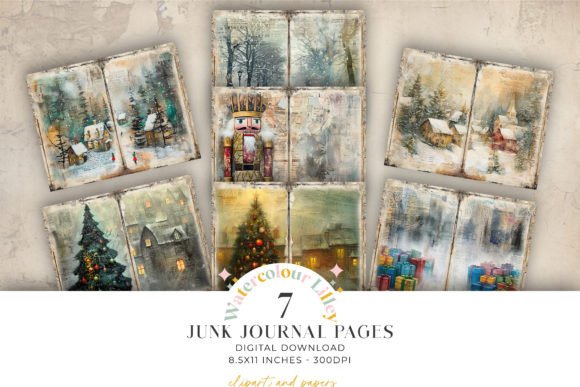
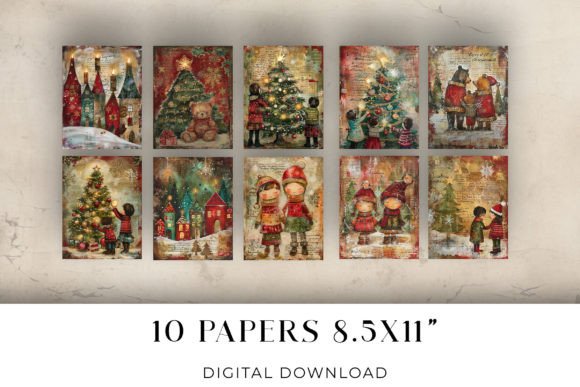
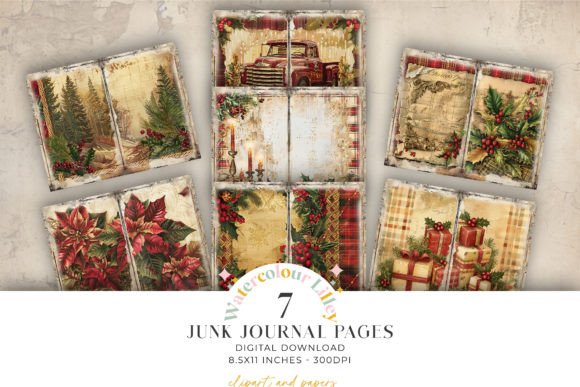
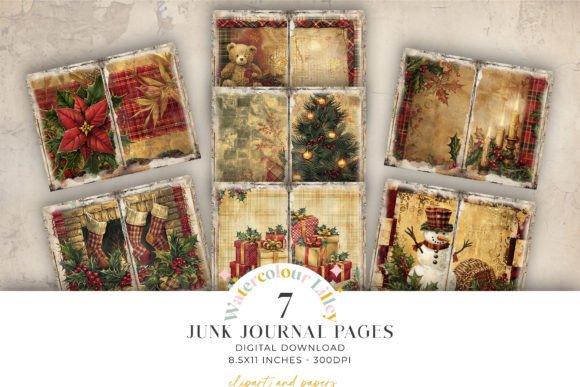
As a brand designer who has spent the last decade helping local businesses find their visual voice, I approach every new graphic design asset with a critical eye. It is not enough for an image to be pretty; it must work hard. When I first opened the files for Christmas Junk Journal Paper, my immediate reaction was one of nostalgic warmth. This is not the sterile, corporate holiday aesthetic we see in big-box retail. Instead, these Illustrations evoke the tactile feeling of a handmade scrapbook, filled with vintage ephemera, faded stamps, and handwritten notes. For a local business looking to stand out during the hectic holiday season, this asset offers a distinct personality that feels authentic, curated, and deeply personal.
The Mood and Brand Personality Fit
The primary mood created by Christmas Junk Journal Paper is rustic elegance mixed with playful nostalgia. It suggests a brand personality that values tradition, craftsmanship, and human connection. This style is particularly effective for handmade business owners, boutique retailers, artisanal food producers, and independent skincare brands. If you are running a small bakery specializing in heritage recipes or a candle shop that emphasizes slow living, these visuals align perfectly with your narrative. The design feels organic and decorative, avoiding the harsh lines of modern minimalism in favor of soft, layered textures. It tells the customer that there is a human behind the product, which is a powerful driver of trust in small business branding.
Practical Applications in Local Business Design
The versatility of this asset lies in its modular nature. In a recent project for a local florist, we used elements from the Christmas Junk Journal Paper collection to create a cohesive brand identity for their holiday bouquet lineup. Here is how you can integrate these design assets into your own operations:
- Packaging Design: Use the vintage paper textures as background layers for box inserts or wrapping paper. The aged look adds perceived value to simple cardboard packaging.
- Product Label: Layer specific illustrations, such as holly sprigs or vintage tags, over your standard label template to create limited-edition holiday SKUs without redesigning the entire label.
- Social Media Graphics: These images are ideal for creating engaging Instagram stories or Pinterest pins. The intricate details stop the scroll and encourage users to save the post for inspiration.
- Thank-You Cards: A handwritten-style note placed over a junk journal background creates a memorable unboxing experience that encourages repeat purchases.
- Marketing Visuals: Use the assets in email headers or website banners to signal the start of the holiday season, creating a consistent thematic shift across all digital touchpoints.
Enhancing Business Presentation and Trust
Why does this matter for your bottom line? Consistent and thoughtful use of Christmas Junk Journal Paper supports stronger first impressions. When a customer receives a package that looks carefully designed rather than mass-produced, their emotional connection to the brand deepens. This asset helps establish clearer visual hierarchy by providing decorative frames that draw attention to key information, such as pricing or product names. Furthermore, high-quality Illustrations contribute to more professional packaging, which directly influences shelf appeal in physical pop-up markets or craft fairs. In an era where customers are skeptical of faceless corporations, this aesthetic builds credibility through perceived authenticity.
Strategic Placement and Usage Guidelines
While these assets are powerful, they require strategic placement. They work best as accents rather than the sole focus. Consider using them on hang tags, as borders for menu graphics, or as subtle watermarks on promotional flyers. For a product mockup, layering these textures can add depth and realism to digital presentations. However, you must be cautious. Do not use these busy, textured backgrounds behind small, essential text. The intricate details of junk journal art can compete with readability, especially on product label designs that already contain ingredient lists or legal disclaimers.
Avoid using this style for formal corporate branding or luxury minimalist brands that rely on stark white space and sans-serif typography. The rustic, cluttered charm of Christmas Junk Journal Paper clashes with ultra-modern, high-tech, or strictly clinical brand identities. Additionally, be mindful of contrast. If you are printing on dark kraft paper, ensure you have a light-colored overlay or reverse-out the design to maintain visibility.
Designer Notes for Implementation
Before committing to a full rollout, I recommend several practical tests. First, check the file formats. If you are working with SVG design files, ensure they scale correctly without pixelation for large format prints like posters. For PNG design files, verify the transparency quality to ensure seamless layering in tools like Photoshop or Canva. Test the asset in black and white to see if the details hold up when color printing is not an option.
Pair these illustrations with appropriate typography. Script fonts and handwritten font styles complement the vintage vibe, while bold serif fonts can anchor the design with authority. Avoid overly geometric sans serif fonts unless you are aiming for a deliberate eclectic clash. Always confirm the commercial license terms before using any clipart or illustration for client work or physical product sales. Finally, compare your final packaging design against competitor products on the shelf. Does your use of Christmas Junk Journal Paper make your product look more inviting and unique? If the answer is yes, you have successfully leveraged this asset to enhance your professional branding.
In conclusion, Christmas Junk Journal Paper is more than just a decorative element; it is a tool for storytelling. For creative entrepreneurs and local brand owners, it offers a way to inject warmth and character into every customer interaction. Whether used in editorial design for a holiday lookbook or as a key component of a Canva template for social media, these visuals support a narrative of care and quality. By integrating these Illustrations thoughtfully, you transform ordinary transactions into memorable brand experiences.